
Photographing Lindsey for The Musings Project: The Experience of Being Seen
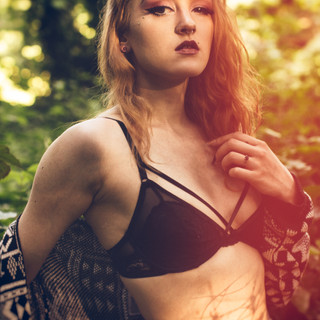

Some photo shoots are planned down to the inch. This wasn’t that.
With Lindsey, I had a direction. I had wardrobe ideas, lighting ideas, a rough sense of what I wanted the feature to feel like. But I’m never trying to force someone into a concept so tightly that the person disappears. That’s not the point.
The point is to find the thing that starts happening once the person in front of me stops trying to “pose” and starts responding. That’s where the best photographs usually live.
I don’t think of my photoshoots as “sessions” in the traditional sense. A session sounds like something you book, show up for, execute, and leave with images.
That’s fine. It’s just not really how I work.

A good shoot is more than a list of poses, a location, and a deliverable count. It’s an experience designed around what you want the images to do for you — and then shaped by what actually starts to happen once you’re in front of the camera.
When I photograph someone, I’m watching for the things they may not even realize they’re doing. The way they hold tension in their hands. The way their face changes right after they laugh. The split second when they stop performing confidence and actually settle into it. The moment where the image starts to feel less like a picture of what someone looks like, and more like a glimpse of who they are. Lindsey is a great example of that.

She can be hilarious and completely unserious one second, then turn around and give you something still, direct, and almost severe. She understands movement. She understands body language. But more than that, she participates. She listens, interprets, pushes back into the idea, and gives the photograph something of her own.
That’s what makes the work interesting to me.

I can set the light. I can choose the lens. I can find the background, the road, the river, the piece of moss-covered concrete, the little pocket of backlight that feels like it was waiting there all day. But none of that matters if the person in the frame isn’t present. The real work is creating enough trust for that to happen.

I don’t want people to feel overly posed. I don’t want them locked into some stiff idea of what a portrait is supposed to be. I direct, absolutely. I’ll guide body language, movement, expression, and the overall shape of the image. But I’m not interested in turning people into mannequins.

The best photographs happen in the space between direction and discovery.
In the studio, Lindsey’s images had that stripped-down, old-magazine feeling I love — simple background, direct light, jewelry, skin, shape, attitude. Outside, the work shifted into something more cinematic: evening light, empty roads, water, trees, fabric moving with the body instead of just sitting on it.

Those changes weren’t random. They came from paying attention.
That’s how I choose scenes. Not just because a location is pretty. Not because a backdrop is trendy. I’m looking for a place where the person makes sense, or where the contrast says something. Sometimes that means clean studio light. Sometimes it means soft chaos outside. Sometimes it means letting the weather, the light, or the landscape change the plan.

The plan is never more important than the person. That’s the part I wish more people understood about being photographed. You don’t have to walk in knowing how to be seen. You don’t have to know what to do with your hands. You don’t have to arrive as some fully formed version of confidence.
That’s part of what the experience is for.
A good shoot gives you room to find it.
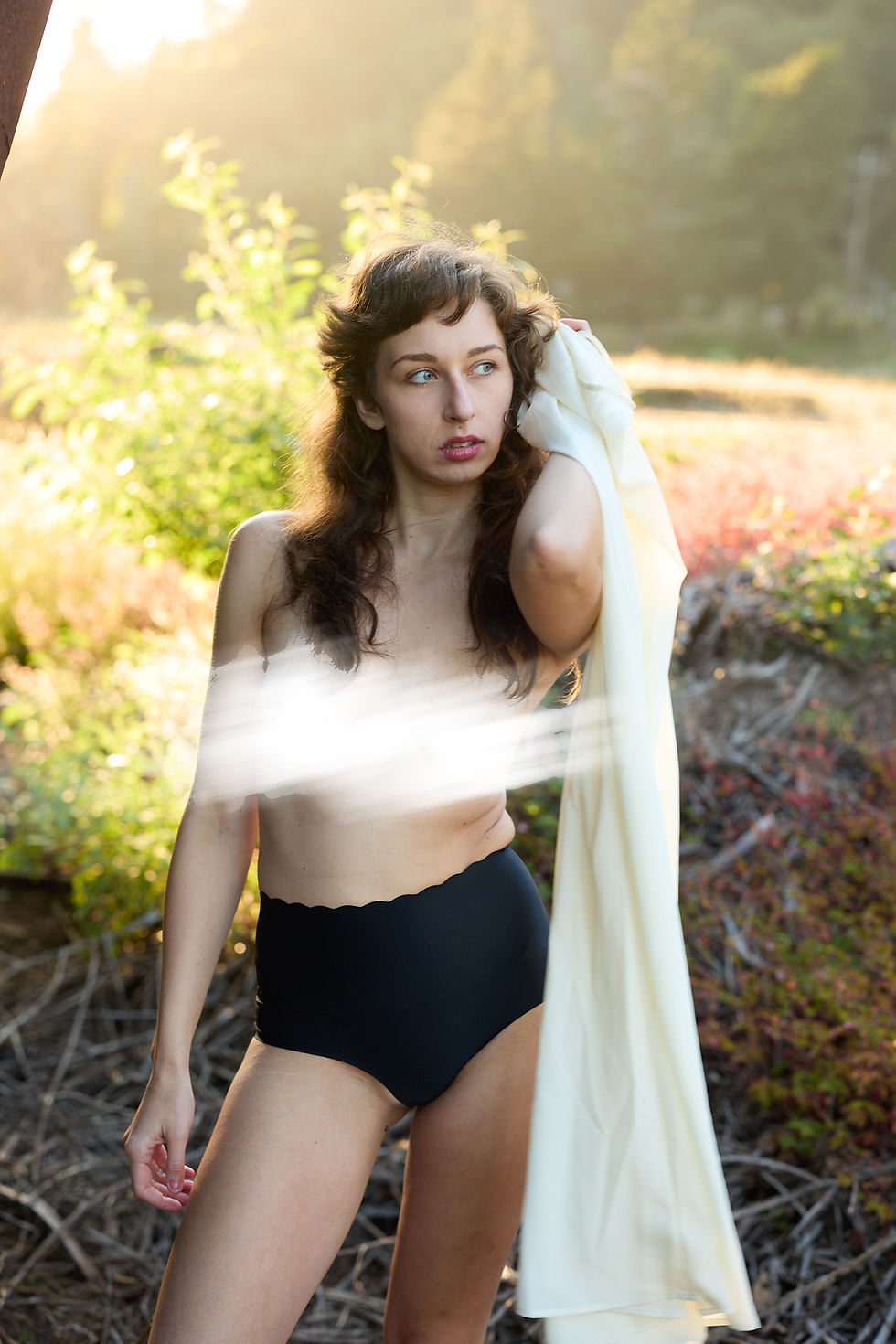
For me, portraiture is not about proving that someone is beautiful. Beauty is usually the easy part. The harder, more interesting thing is making an image that feels like there is a real person inside it. That’s what I’m always looking for.
Not perfection. Not performance. Not a handful of technically correct poses. Presence.
The full Lindsey feature, The Science of Being Seen, is now live on The Musings Project. But this shoot also says a lot about how I approach photography in general: slow enough to pay attention, directed enough to create something intentional, and open enough to let the story unfold while we’re making it.
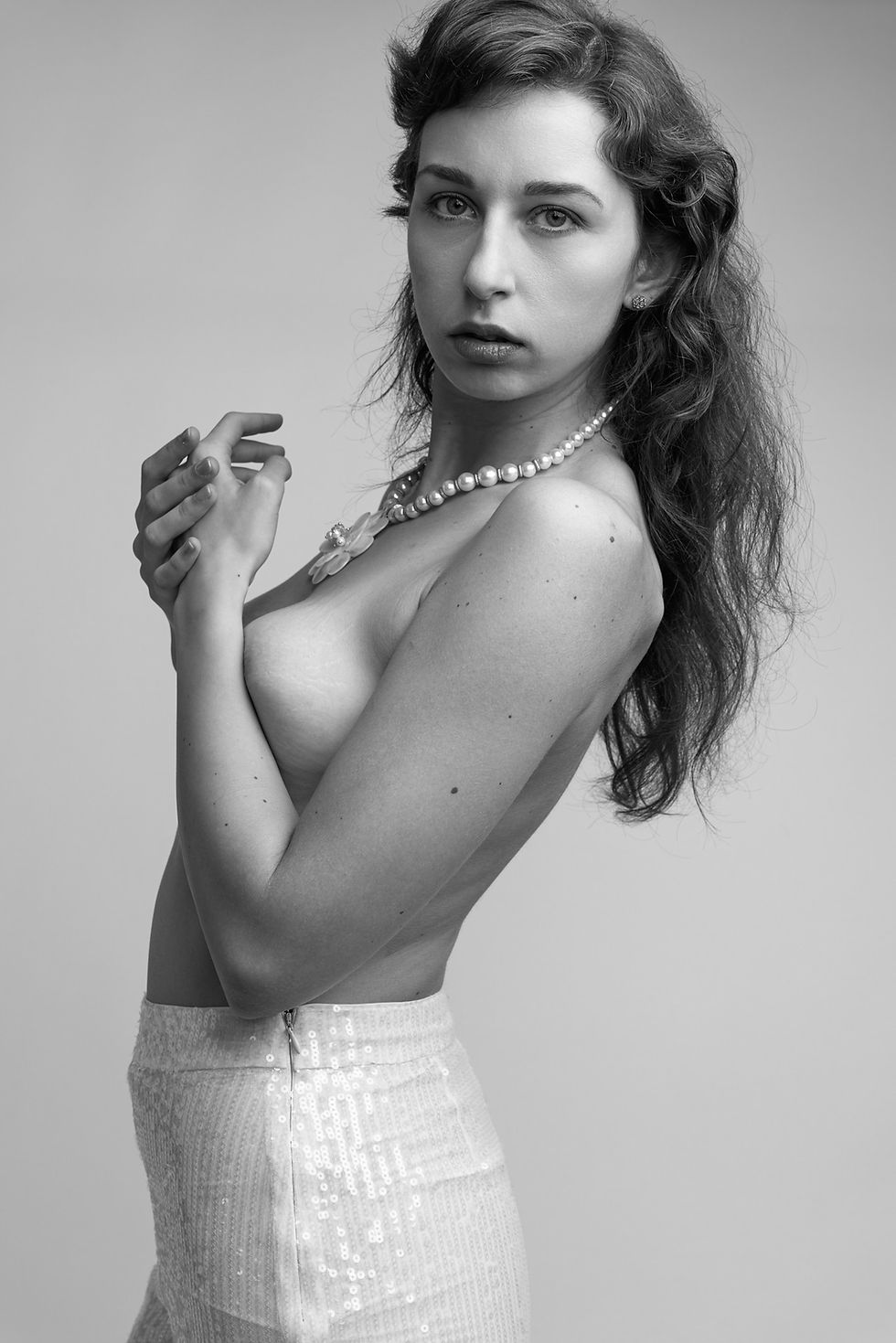
That’s the experience I want people to have when they step in front of my camera - the experience of being SEEN. Not just photographed.
Not just a session. A collaboration. A conversation. A chance to be seen in a way that feels honest, artful, and maybe a little more interesting than the version of yourself you expected to find.


Comments